

Sustainable business practices are operational strategies and decisions that balance financial performance with positive environmental and social outcomes, ensuring a company can thrive today without compromising the ability of future generations to meet their needs. These practices touch every part of an organization, from energy procurement and waste management to supply chain ethics and community investment.
For Canadian businesses in 2026, sustainability has shifted from optional corporate responsibility to a competitive advantage and market expectation. Companies that embed sustainable practices into their core operations report stronger stakeholder trust, reduced operating costs, improved employee retention, and better access to capital. Investors increasingly screen for environmental, social, and governance criteria before committing funds, while consumers actively seek out brands aligned with their values.
This article provides a working definition of sustainable business practices, explains how they function within real organizations, breaks down the essential components that make up a sustainable operation, and shows practical applications across different industries. You’ll also discover the support initiatives available to Canadian businesses ready to implement these practices, along with answers to common questions about cost, feasibility, and impact. Whether you’re running a manufacturing operation in Ontario or a service business in British Columbia, understanding sustainable business practices is now fundamental to long-term success.
What Sustainable Business Practices Mean for Your Business
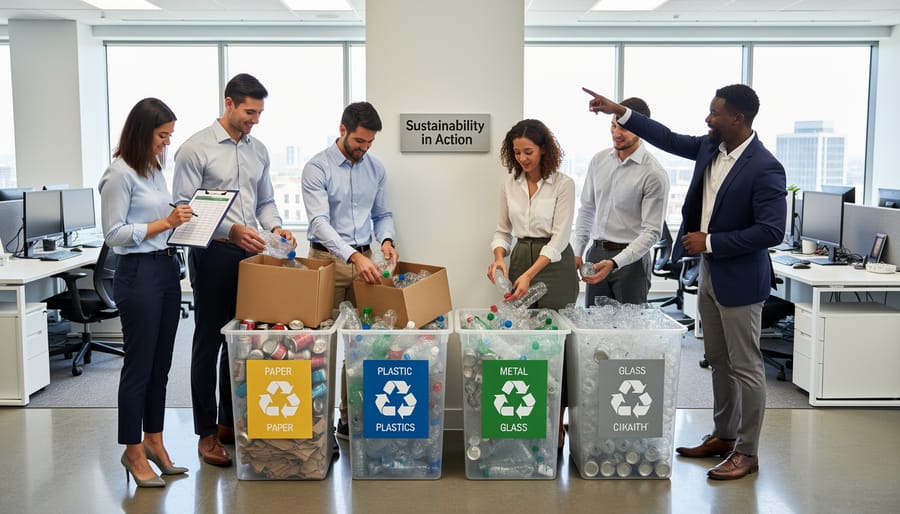
For Canadian businesses, sustainable practices represent a shift from short-term profit thinking to long-term value creation across three interconnected dimensions. It’s not just about environmental initiatives, though those matter, but building a resilient operation that serves your business, your people, and your community simultaneously.
The foundation rests on what’s known as the triple bottom line framework: environmental stewardship, social responsibility, and economic viability. These three pillars work together rather than competing for resources. When a Toronto manufacturer reduces energy consumption, they’re cutting costs while lowering emissions. When a Vancouver tech company prioritizes employee well-being, they’re building the engaged workforce needed for sustained growth.
- Triple Bottom Line
- A business framework measuring success through environmental, social, and economic performance rather than profit alone. It evaluates how a company creates value across all three dimensions.
- Environmental Stewardship
- The responsible management of natural resources and ecological impact through practices like emissions reduction, waste minimization, and sustainable sourcing.
- Social Responsibility
- A commitment to ethical operations that benefit employees, customers, suppliers, and communities through fair treatment, diversity initiatives, and positive stakeholder relationships.
- Economic Viability
- Maintaining profitability and financial health while pursuing sustainability goals, ensuring the business can continue its positive impact long-term.
- Circular Economy
- A system where materials and products are reused, repaired, or recycled rather than discarded, minimizing waste and maximizing resource efficiency.
In practical terms, this looks like a Halifax retailer switching to LED lighting and locally sourced products, a Calgary construction firm diverting job site waste from landfills, or a Montreal restaurant composting food scraps and supporting nearby farms. It means conducting supply chain audits to ensure suppliers meet ethical standards, offering competitive wages and professional development, and engaging with local communities through partnerships or volunteering.
What matters is that these aren’t cosmetic changes or marketing exercises. They’re operational decisions that reshape how you run your business day to day, decisions that reduce risk, attract talent, meet customer expectations, and position you for the market ahead.
How Sustainable Business Practices Work in Operation
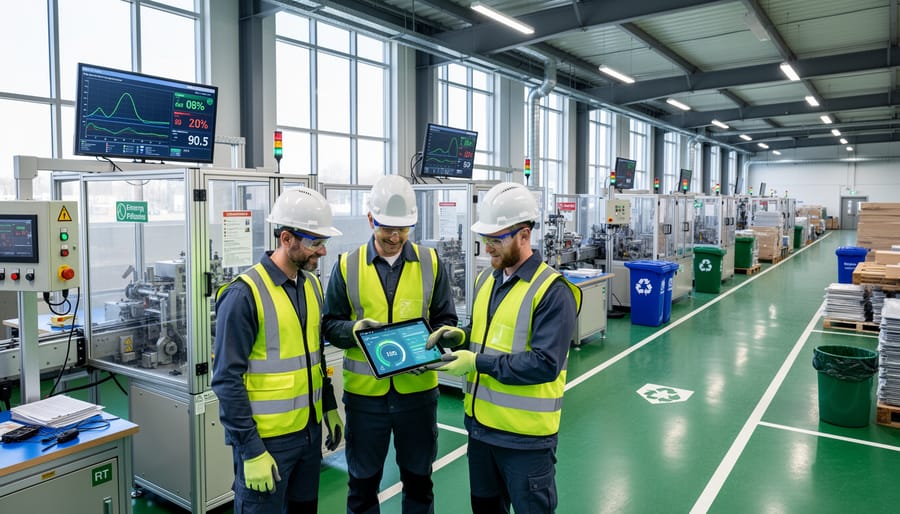
Sustainable business practices work through a structured cycle that embeds environmental and social responsibility into everyday operations. Rather than treating sustainability as a separate project, successful businesses integrate it into their core strategy and decision-making processes.
The operational cycle typically begins with assessment. Businesses evaluate their current environmental footprint, social impact, and resource use. This means examining energy consumption, waste generation, supply chain practices, employee conditions, and community relationships. Many Canadian companies start by measuring carbon emissions, water usage, and waste output to establish baseline metrics.
From this assessment, businesses set specific, measurable sustainability goals. These might include reducing energy use by 25% within three years, sourcing 50% of materials from certified sustainable suppliers, or achieving zero waste to landfill. Effective goals align with both environmental needs and business objectives, they create value rather than simply adding costs.
Implementation follows goal-setting. Businesses modify processes, upgrade equipment, retrain staff, and revise procurement policies. A manufacturer might install LED lighting and optimize production schedules to reduce energy peaks. A retailer could redesign packaging or establish take-back programs. Change happens incrementally, with leadership support and employee engagement driving adoption.
Measurement provides accountability. Businesses track key performance indicators against their targets, kilowatt-hours saved, waste diverted, supplier certifications achieved. Regular monitoring reveals what’s working and where adjustments are needed. This data also supports transparent reporting to stakeholders, customers, and regulatory bodies.
The cycle repeats continuously. Businesses review progress, identify new opportunities, set more ambitious targets, and refine their approach. This integration means sustainability becomes woven into budgeting, product development, hiring practices, and strategic planning. It shifts from something the business does occasionally to how the business operates daily, creating resilience, competitive advantage, and long-term value alongside environmental and social benefits.
Core Components of Sustainable Business Practices
Environmental Sustainability Components
Environmental sustainability forms the most visible pillar of sustainable business practices, focusing on reducing your company’s impact on natural systems. These components translate broad environmental goals into specific operational changes that Canadian businesses can measure and improve over time.
Energy efficiency means minimizing power consumption across facilities, equipment, and processes. This includes upgrading to LED lighting, installing programmable thermostats, maintaining HVAC systems regularly, and choosing Energy Star-rated equipment. Manufacturing operations might conduct energy audits to identify where electricity or natural gas use can be reduced without compromising output.
Emissions reduction targets greenhouse gases released through operations and transportation. Businesses achieve this by switching to renewable energy sources, optimizing delivery routes, adopting electric or hybrid fleet vehicles, and implementing remote work policies that cut commuting emissions.
Waste management goes beyond basic recycling to include waste prevention, composting organic materials, donating usable surplus, and designing processes that generate less scrap. The goal is diverting materials from landfills while reducing disposal costs.
Water conservation involves installing low-flow fixtures, capturing rainwater for non-potable uses, fixing leaks promptly, and redesigning processes to use less water, particularly important for food service, manufacturing, and agriculture operations.
Sustainable sourcing means selecting suppliers who demonstrate environmental responsibility, choosing materials with lower environmental footprints, prioritizing local suppliers to reduce transportation impacts, and verifying certifications like FSC for forestry products or organic designations for agricultural inputs.
Social Sustainability Components
Social sustainability focuses on how a business treats people, employees, customers, suppliers, and the broader community. Canadian businesses building strong social sustainability address five interconnected areas that directly impact their reputation and operational success.
Workplace culture forms the foundation. This means creating environments where employees feel valued, heard, and supported. Companies invest in professional development, maintain open communication channels, and foster psychological safety where team members can raise concerns without fear.
Diversity and inclusion extends beyond hiring quotas. Effective businesses build equitable systems for advancement, ensure diverse perspectives shape decision-making, and address systemic barriers that limit opportunity. This includes accommodating different abilities, backgrounds, and working styles.
Employee health and safety encompasses physical workplace conditions and mental health support. Forward-thinking Canadian companies provide comprehensive wellness programs, flexible work arrangements, and proactive measures that prevent burnout and injury.
Community relations involves meaningful engagement beyond donations. Businesses partner with local organizations, source from community suppliers, and consider how operations affect neighbourhood quality of life.
Ethical business conduct requires transparency in operations, fair treatment of suppliers, honest marketing, and accountability when mistakes occur. Canadian businesses demonstrate this through clear codes of conduct and consistent follow-through on commitments.
Economic Sustainability Components
Economic sustainability ensures your business remains profitable and competitive while upholding environmental and social commitments. It’s about building a model that generates value over the long term, not just maximizing short-term gains at the expense of future viability.
Long-term profitability comes from operational efficiency, cost reduction through resource optimization, and building customer loyalty with values-driven business practices. Canadian companies that invest in sustainable innovation often discover new revenue streams, whether through developing eco-friendly products, entering green markets, or attracting impact investors who prioritize Environmental, Social, and Governance (ESG) criteria.
Risk management is central to economic sustainability. Businesses that proactively address climate risks, supply chain vulnerabilities, and regulatory changes position themselves to weather disruptions better than competitors. This includes diversifying suppliers, investing in renewable energy to hedge against price volatility, and maintaining financial reserves for adaptation.
Resilience building means creating systems that flex rather than break under pressure. This involves maintaining healthy cash flow, investing in employee development to retain talent, and fostering relationships with stakeholders who support your sustainability journey. Economic sustainability recognizes that financial health and responsible practices reinforce each other rather than compete.
Where Canadian Businesses Apply Sustainable Practices
Sustainable business practices show up differently across Canada’s diverse economic sectors, but the principles remain consistent, reduce environmental impact, strengthen social responsibility, and build long-term economic resilience.
In manufacturing, companies are redesigning production lines to minimize waste and energy consumption. A metal fabrication shop in Hamilton reduced energy costs by 22% after upgrading to LED lighting and installing heat recovery systems. These investments paid for themselves within two years while cutting carbon emissions significantly.
Retail businesses are rethinking packaging and supply chains. Vancouver-based outdoor retailers now source from suppliers who meet strict environmental standards, and several have eliminated single-use plastics from their stores entirely. Customers increasingly choose businesses that align with their values, making sustainability a competitive advantage rather than just a cost.
Professional services firms integrate sustainability through their operational choices and client work. Accounting firms in Toronto have shifted to paperless offices, while consulting practices advise clients on ESG strategy and reporting. Many now measure their own carbon footprint and offset travel emissions as standard practice.
Technology companies, particularly those connected to Canadian innovation hubs, embed sustainability into product design. Software developers create tools that help other businesses track environmental metrics, while hardware manufacturers design for longevity and recyclability rather than planned obsolescence.
Agriculture demonstrates perhaps the most direct connection to environmental sustainability. Ontario farms are adopting precision agriculture techniques that reduce fertilizer use, conserve water, and improve soil health. These practices lower input costs while protecting the land for future generations.
Hospitality businesses implement green certifications, install energy-efficient systems, reduce food waste through composting programs, and source ingredients locally. A boutique hotel in Quebec cut operating costs by 18% after implementing comprehensive energy and water conservation measures, while improving guest satisfaction scores.
The common thread across these industries: businesses discover that sustainable practices often improve operations, reduce costs, and strengthen customer relationships, delivering measurable benefits alongside environmental and social progress.
Support Available Through Government and Industry Initiatives
Canadian businesses don’t have to shoulder the sustainability transition alone. A robust network of support programs exists at federal, provincial, and industry levels to help offset costs and accelerate implementation.
The federal government offers several targeted programs. The Canadian Net-Zero Accelerator provides substantial funding for decarbonization projects, while the Canada Green Buildings Strategy supports energy-efficient construction and retrofits. Natural Resources Canada administers programs for energy audits and efficiency upgrades that can cover 25-50% of project costs.
Provincial programs vary by region but typically include grant funding for clean technology adoption, waste reduction initiatives, and renewable energy installation. British Columbia’s CleanBC program, Ontario’s Green Commercial Building Program, and Quebec’s Ecocredits for pre-competitive research represent different approaches provinces take to encourage sustainability.
Tax incentives sweeten the deal. The Accelerated Investment Incentive allows faster write-offs for eligible clean energy equipment. The Scientific Research and Experimental Development program can apply to sustainability innovation projects.
Industry associations and certification bodies provide training and guidance. B Corp certification, ISO 14001 environmental management standards, and sector-specific programs like Greening Food Services help businesses implement recognized frameworks. Many offer workshops, peer networks, and implementation toolkits at low or no cost.
Export Development Canada and the Business Development Bank of Canada have dedicated financing for sustainability projects with favourable terms for companies pursuing environmental improvements.
Start by contacting your provincial economic development office or industry association, they can map relevant programs to your business needs and guide you through applications.
Common Questions About Sustainable Business Practices
How much does it cost to implement sustainable business practices?
Initial costs vary widely depending on your business size and current operations, ranging from minimal investment in policy changes to significant capital expenses for equipment upgrades. Many Canadian businesses offset these costs through available grants, tax incentives, and support programs, while operational savings from reduced energy and waste often begin within the first year.
How long does it take to see ROI from sustainability initiatives?
Quick wins like energy-efficient lighting and waste reduction typically show returns within 6-18 months. Larger investments such as renewable energy systems or supply chain overhauls may take 3-5 years to break even, though they often deliver long-term competitive advantages and risk mitigation that extend well beyond direct cost savings.
Do I need certifications to be considered sustainable?
Formal certifications like B Corp or ISO 14001 aren’t mandatory but can strengthen credibility with customers and partners. Many businesses start with self-assessment and transparent reporting of their practices before pursuing third-party verification as they mature their programs.
What’s the best way for small businesses to start?
Begin with a simple audit of your current operations to identify high-impact, low-cost opportunities, switching to digital documentation, sourcing locally, or improving waste sorting. Focus on one or two initiatives that align with your business values and customer expectations, then expand as you build momentum and capacity.
How do I avoid greenwashing accusations?
Be specific and honest about your sustainability efforts, reporting both successes and challenges. Back up claims with measurable data, avoid vague language like “eco-friendly” without explanation, and never exaggerate the environmental benefits of your products or practices.
What reporting standards should Canadian businesses follow?
While formal standards like GRI or SASB suit larger corporations, most small and medium businesses can start with simple annual sustainability reports that track key metrics relevant to their industry. Transparency matters more than complexity, share what you measure, explain your methodology, and show year-over-year progress.
These questions reflect the practical concerns that hold many Canadian business owners back from embracing sustainability. The reality is that sustainable practices don’t require perfection from day one. You can balance profitability with environmental and social responsibility by treating sustainability as an evolving journey rather than a destination. Start where you are, use the resources available to you, and recognize that even modest improvements contribute to both your business resilience and Canada’s broader sustainability goals. The businesses seeing the strongest results are those that embed sustainability into their decision-making processes rather than treating it as a separate compliance exercise.
Sustainable business practices are no longer optional in Canada’s competitive marketplace, they’re becoming essential for long-term success. The evidence is clear: businesses that integrate environmental, social, and economic sustainability into their operations build stronger brands, attract better talent, reduce costs, and position themselves for future growth. What might seem like a daunting transformation is actually a series of manageable steps, and you don’t have to take them alone.
Start where you are. Assess one area of your business, set a realistic goal, and take action. Whether it’s reducing energy consumption, improving supply chain transparency, or enhancing workplace culture, every step forward matters. The support programs and resources available across Canada, from grants and tax incentives to training and certification, make implementation more accessible than ever before.
Your business has the power to contribute to a more sustainable economy while strengthening its own foundation. The question isn’t whether to adopt sustainable practices, but how quickly you can begin.