

Selecting the right water purification system directly impacts your facility’s operational efficiency, compliance standards, and bottom line. Recent Canadian water purification innovations have transformed how businesses approach water treatment, making the choice more crucial than ever. Whether managing a manufacturing plant, commercial building, or healthcare facility, your water purification needs depend on three key factors: water source quality, intended use, and processing volume.
Modern purification systems range from basic filtration to advanced reverse osmosis and UV treatment, each offering distinct advantages for specific business applications. While initial costs vary from $5,000 to $50,000+, the long-term operational benefits often justify the investment through reduced maintenance, improved efficiency, and enhanced product quality.
This comprehensive guide examines the top water purification technologies available to Canadian businesses, comparing their effectiveness, maintenance requirements, and total cost of ownership. By understanding these critical factors, you’ll be equipped to make an informed decision that aligns with your operational needs and regulatory requirements.
Understanding Your Business Water Needs
Scale of Operations
When selecting a water purification system, matching capacity to your operational needs is crucial. Small businesses typically require systems processing 500-1,000 gallons per day, while medium-sized operations often need 1,000-5,000 gallons daily. Large industrial facilities may demand systems handling over 10,000 gallons per day.
Canadian manufacturing leader Mike Thompson of Pure Water Solutions notes, “It’s better to choose a system with 20% more capacity than your current needs to accommodate growth.” Consider peak usage periods, seasonal fluctuations, and future expansion plans when determining system size.
Many successful Canadian businesses opt for modular systems that allow for capacity increases without complete replacement. This approach provides flexibility while protecting your initial investment, ensuring your purification system can scale alongside your business growth.
Water Quality Challenges
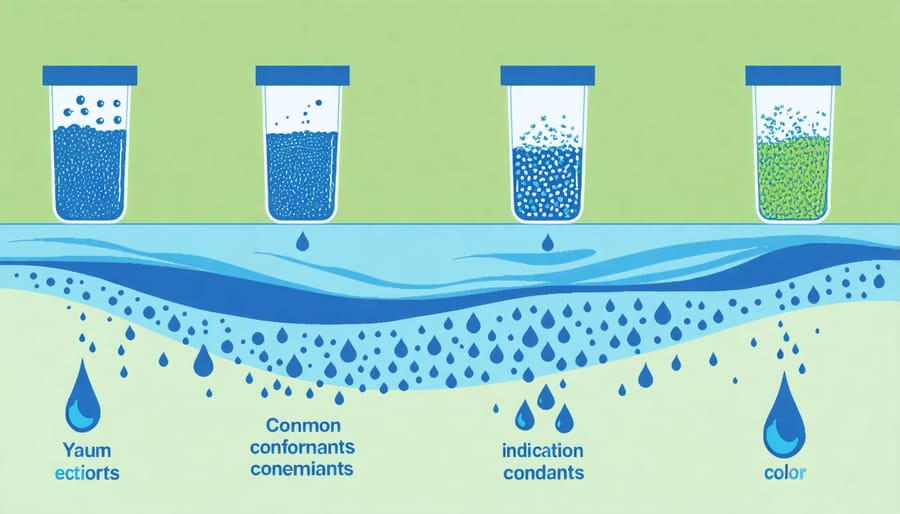
Canadian businesses face several water quality challenges that can impact operations and compliance requirements. Common issues include hard water deposits affecting equipment efficiency, chlorine taste and odor complaints from customers, and bacterial contamination risks in food service operations. Many facilities also deal with sediment buildup, which can damage plumbing systems and increase maintenance costs.
In urban areas, municipal water treatment may not fully address specific business needs, while rural operations often contend with well water containing high mineral content or agricultural runoff. According to the Canadian Water Quality Association, approximately 60% of commercial properties require additional water treatment beyond municipal processing.
Recent environmental regulations have also increased pressure on businesses to manage wastewater discharge more effectively, making proper water purification systems essential for both operational efficiency and regulatory compliance.
Regulatory Compliance
In Canada, water purification systems must comply with Health Canada’s Guidelines for Canadian Drinking Water Quality (GCDWQ) and meet provincial regulations. These standards ensure water safety through specific requirements for microbial, chemical, and physical parameters. The National Sanitation Foundation (NSF) certification is particularly important, as it validates that purification systems effectively remove contaminants while maintaining safety standards.
For business applications, systems must also adhere to provincial workplace safety regulations and municipal bylaws. Third-party testing and certification from organizations like CSA Group provide additional assurance of compliance. Regular water quality testing and maintenance documentation are mandatory requirements, with frequency varying by jurisdiction and system type.
Business owners should verify that their chosen system meets all applicable standards and includes proper certification marks. Working with qualified water treatment professionals ensures ongoing compliance with evolving regulations.
Top Water Purification Technologies
Reverse Osmosis Systems
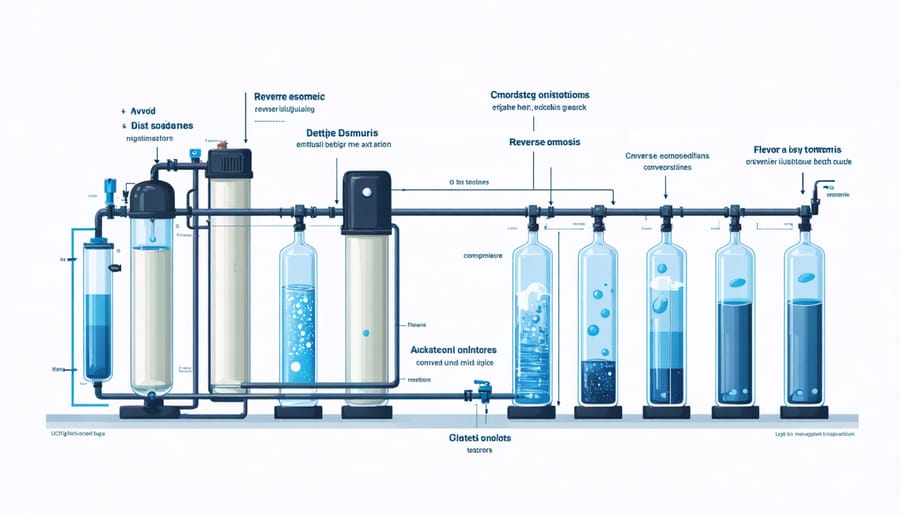
Reverse osmosis (RO) systems represent one of the most thorough water purification process solutions available for Canadian businesses. These systems excel at removing up to 99% of dissolved solids, including harmful contaminants, minerals, and microorganisms through a semi-permeable membrane.
The primary advantages of RO systems include exceptional filtration quality, consistent performance, and minimal maintenance requirements. They’re particularly effective for businesses requiring ultra-pure water, such as pharmaceutical manufacturers, food processing facilities, and healthcare institutions. Many successful Canadian manufacturers have reported significant improvements in product quality after implementing RO systems.
However, these systems do have certain limitations. The initial investment can be higher compared to other purification methods, and the process requires significant water pressure to operate effectively. According to industry experts, businesses should expect to lose approximately 2-4 gallons of water for every gallon produced, making water efficiency a consideration.
RO systems are ideal for:
– Manufacturing facilities requiring high-purity water
– Laboratories and research facilities
– Food and beverage production
– Healthcare facilities
– Commercial kitchens
For optimal results, businesses should pair RO systems with pre-filtration units to protect the membrane and extend system life. Regular maintenance and professional installation ensure maximum efficiency and longevity, making RO systems a reliable long-term investment for quality-focused operations.
UV Purification Systems
UV purification systems have gained significant traction among Canadian businesses, particularly in the food and beverage, healthcare, and hospitality sectors. These systems use ultraviolet light to eliminate harmful microorganisms, providing a chemical-free approach to water treatment.
For restaurants and food processing facilities, UV systems effectively eliminate bacteria and viruses without altering taste or odor. Toronto-based craft brewery Northern Brewworks reports a 99.9% reduction in waterborne pathogens since implementing UV purification, resulting in consistently high-quality products and improved customer satisfaction.
Healthcare facilities benefit from UV systems’ ability to create pharmaceutical-grade water while maintaining strict compliance with Health Canada regulations. The technology proves especially valuable in dental offices, laboratories, and medical clinics where water purity is crucial for patient safety.
Hotels and recreational facilities find UV systems particularly effective for pool and spa maintenance. The Vancouver Waterfront Hotel reduced its chemical usage by 60% after installing UV purification, creating a more pleasant experience for guests while lowering operational costs.
These systems require minimal maintenance compared to chemical treatments, typically needing only annual lamp replacement. However, water clarity must be maintained as suspended particles can reduce UV effectiveness. Regular monitoring and pre-filtration ensure optimal performance across all applications.
For businesses handling sensitive materials or serving vulnerable populations, UV systems often serve as an excellent secondary treatment method, providing an additional safety barrier against waterborne contaminants.
Carbon Filtration Solutions
Carbon filtration stands out as one of the most cost-effective water purification solutions for Canadian businesses. With implementation costs ranging from $500 to $5,000 for commercial systems, it offers an attractive return on investment through reduced maintenance needs and long-term operational savings.
The primary advantage lies in its straightforward installation process and minimal maintenance requirements. Most systems need filter replacement every 6-12 months, depending on usage volume and water quality. Canadian businesses typically see operational costs averaging $0.05 per liter treated, making it particularly appealing for small to medium-sized operations.
According to water treatment expert Sarah Thompson of the Canadian Water Quality Association, “Carbon filtration systems offer the best balance between effectiveness and cost for most commercial applications. They’re especially suitable for businesses dealing with municipal water supplies that mainly need chlorine removal and taste improvement.”
Implementation considerations include:
– Space requirements: Most systems are compact and wall-mountable
– Flow rate capacity: Available from 5 to 100 gallons per minute
– Filter quality: Choose NSF-certified products for optimal performance
– Integration with existing plumbing: Usually requires minimal modifications
– Backup systems: Consider redundancy for critical operations
Success story: Vancouver-based café chain Mountain Brew reduced their annual water treatment costs by 40% after switching to a commercial carbon filtration system, while improving beverage taste and customer satisfaction.
Hybrid Systems
Combining multiple water purification technologies creates a more robust and efficient system that addresses various contaminants while maximizing water quality. These hybrid solutions are gaining popularity among Canadian businesses due to their comprehensive approach and superior results.
A well-designed hybrid system typically combines two or more purification methods, such as reverse osmosis with UV disinfection, or activated carbon filtration with ion exchange. This multi-barrier approach ensures that if one system component fails, others continue providing protection, maintaining water quality and business operations.
Leading Canadian water treatment companies report that hybrid systems offer 99.9% contaminant removal rates while reducing operational costs by up to 30% compared to single-technology solutions. For example, Ontario-based manufacturer Pure Water Technologies implemented a hybrid system combining ultrafiltration and UV treatment, resulting in improved water quality and reduced maintenance requirements.
The key to successful hybrid implementation lies in selecting complementary technologies that address your specific water quality challenges. Consider factors such as:
– Source water quality
– Required purification levels
– Operating costs
– Maintenance requirements
– Space availability
– Energy efficiency
Industry experts recommend consulting with certified water treatment professionals to design a hybrid system that meets your business needs while ensuring compliance with Canadian water quality standards. Regular monitoring and maintenance of all system components will optimize performance and extend equipment life.
Cost-Benefit Analysis
Initial Investment vs. Long-term Returns
Making the right choice in business water treatment solutions requires careful consideration of both initial costs and long-term returns. Entry-level systems typically range from $5,000 to $15,000, while advanced industrial solutions can reach $50,000 or more. However, these investments often pay for themselves through reduced operational costs and improved efficiency.
A mid-range commercial reverse osmosis system, for instance, usually costs around $25,000 but can generate annual savings of $8,000 to $12,000 through reduced water consumption and maintenance needs. UV purification systems, while requiring an initial investment of $10,000 to $20,000, typically offer payback periods of 18-24 months through lower chemical costs and decreased downtime.
Canadian businesses implementing comprehensive water purification systems report average utility savings of 30-40% within the first year. Additional benefits include extended equipment lifespan, reduced maintenance costs, and improved product quality, particularly in food and beverage operations.
When calculating ROI, consider these key factors:
– Annual maintenance costs (typically 5-10% of initial investment)
– Energy consumption savings
– Water usage reduction
– Decreased chemical requirements
– Improved operational efficiency
– Extended equipment longevity
– Potential tax incentives and governmental rebates
Maintenance and Operating Costs
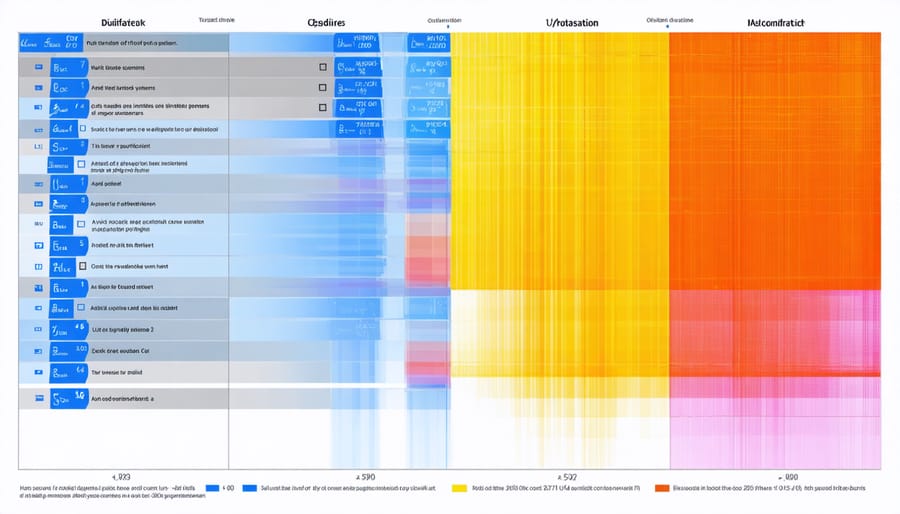
Maintenance and operating costs significantly impact the long-term value of your water purification system. Regular filter replacements, energy consumption, and professional servicing are key factors to consider in your budgeting process.
Reverse osmosis systems typically require filter changes every 6-12 months, with annual costs ranging from $200-$400. UV systems need annual lamp replacements, costing approximately $100-$150, plus minimal electricity costs of about $30-$50 per year. Distillation systems consume more energy but have fewer replacement parts, with operating costs averaging $250-$350 annually.
Industry expert Sarah Thompson of Canadian Water Quality Association notes, “Business owners often overlook maintenance schedules, which can lead to higher repair costs and system inefficiency. Preventive maintenance is always more cost-effective than emergency repairs.”
Most modern systems last 10-15 years with proper maintenance. However, lifecycle costs vary significantly based on water quality and usage volume. For example, Toronto-based manufacturer Atlas Filtration reports their commercial clients typically spend 3-5% of the initial system cost on annual maintenance.
To optimize costs:
– Schedule regular maintenance checks
– Train staff on basic system monitoring
– Keep detailed maintenance records
– Partner with reliable service providers
– Consider service contracts for larger installations
Remember that while some systems have higher upfront costs, their operating expenses might be lower over time, making them more economical in the long run.
Making Your Decision
Selecting the right water purification system requires a structured approach based on your specific business requirements. Start by conducting a thorough assessment of your facility’s water quality needs, daily usage volume, and available space. Consider your budget not just for initial installation, but also for ongoing maintenance and operational costs.
Create a decision matrix that weighs factors such as energy efficiency, maintenance requirements, and system longevity. Many Canadian businesses are prioritizing sustainable solutions, with green technology investments becoming increasingly important for long-term business strategy.
Consult with multiple suppliers and request detailed proposals that include:
– Installation timeline and process
– Maintenance schedules and costs
– Energy consumption estimates
– Expected system lifespan
– Available warranty options
– Technical support services
Consider piloting a smaller system before full implementation, especially for larger facilities. This approach allows you to evaluate performance and validate ROI projections. Remember to factor in regulatory compliance requirements and potential future expansion needs.
Engage key stakeholders in the decision-making process, including facility managers, maintenance staff, and financial advisors. Their input can provide valuable insights into practical considerations that might affect system performance and maintenance.
Selecting the right water purification system is crucial for your business’s success and operational efficiency. By carefully evaluating your specific needs, water quality requirements, and budget constraints, you can make an informed decision that serves your organization well. Remember to consider factors such as maintenance costs, energy efficiency, and system capacity when making your final choice. For optimal results, work with certified water treatment professionals who understand Canadian regulations and can guide you through the implementation process. Whether you choose reverse osmosis, UV purification, or a hybrid solution, ensure your system meets all relevant health and safety standards. Take action now by requesting assessments from qualified providers and begin your journey toward cleaner, safer water for your business operations.