

Green energy technicians stand at the forefront of Canada’s rapidly expanding renewable energy sector, combining technical expertise with environmental stewardship to shape our sustainable future. These skilled professionals install, maintain, and troubleshoot solar panels, wind turbines, and other clean energy systems while earning competitive salaries ranging from $45,000 to $85,000 annually. With the Canadian government’s commitment to reducing carbon emissions by 40% by 2030, demand for qualified green energy technicians continues to surge, offering unprecedented career stability and growth opportunities. Industry leaders project a 25% increase in green energy jobs over the next five years, making this field particularly attractive for those seeking to combine technical skills with environmental impact. Whether you’re a recent graduate or considering a career transition, becoming a green energy technician offers a direct path to participating in Canada’s clean energy revolution.
What Does a Green Energy Technician Do?
Core Responsibilities
Green energy technicians perform a diverse range of technical duties essential for the installation, maintenance, and repair of renewable energy systems. They primarily work with solar panels, wind turbines, and other sustainable energy technologies, ensuring optimal performance and efficiency.
Daily responsibilities include conducting site assessments, installing renewable energy equipment, performing regular maintenance checks, and troubleshooting system issues. These professionals also calibrate monitoring devices, analyze system performance data, and make necessary adjustments to maximize energy production.
Safety is a crucial aspect of the role, requiring strict adherence to industry regulations and workplace safety protocols. Technicians must also maintain detailed documentation of installations, repairs, and maintenance activities while collaborating with project managers and other team members.
Customer interaction is another key component, as technicians often explain system operations to clients and provide basic training on system maintenance. They stay current with evolving green technologies and environmental regulations through ongoing professional development and certification updates.

Specialization Areas
Green energy technicians can specialize in various areas, each focusing on specific renewable energy technologies and systems. Solar energy specialists work with photovoltaic systems, performing installations and maintaining solar panels for both residential and commercial properties. Wind energy technicians focus on turbine installation, maintenance, and troubleshooting of wind power systems.
Biomass energy specialists work with systems that convert organic materials into usable energy, while geothermal technicians specialize in ground-source heat pump systems. Energy storage specialists focus on battery systems and other storage solutions crucial for renewable energy implementation.
Many technicians also specialize in energy efficiency and building automation, helping businesses optimize their energy consumption. Smart grid specialists work on integrating renewable energy sources into existing power infrastructure. According to the Canadian Renewable Energy Association, hybrid specialists who understand multiple technologies are increasingly in demand as systems become more integrated.
Education and Certification Requirements
Educational Programs
Several Canadian colleges and polytechnic institutions offer comprehensive training programs for aspiring green energy technicians. Notable institutions like SAIT (Southern Alberta Institute of Technology) and BCIT (British Columbia Institute of Technology) provide specialized diplomas in renewable energy and sustainable technologies. These programs typically range from one to two years in duration.
Many programs combine classroom instruction with hands-on laboratory experience, covering essential topics such as solar panel installation, wind turbine maintenance, and energy efficiency systems. Students learn both theoretical concepts and practical skills through industry-standard equipment and real-world projects.
Ontario colleges like Centennial College and Durham College offer certificates in sustainable energy and building technology, while Quebec’s École des métiers des énergies renouvelables provides French-language training options. Most programs include work placements or co-op opportunities, allowing students to gain valuable industry experience before graduation.
Professional certification programs through organizations like the Canadian Solar Industries Association (CanSIA) and the Association of Energy Engineers (AEE) provide additional credentials for career advancement. Many institutions also offer evening and part-time study options to accommodate working professionals seeking to transition into green energy careers.

Professional Certifications
Professional certification requirements for green energy technicians in Canada vary by province and specialty area. Most employers require the North American Board of Certified Energy Practitioners (NABCEP) certification, which is widely recognized across the industry. For solar installations, the NABCEP PV Installation Professional Certification is particularly valuable.
Many technicians also pursue certifications from the Canadian Solar Industries Association (CanSIA) and the Canadian Wind Energy Association (CanWEA). These credentials demonstrate expertise in specific renewable energy technologies and commitment to industry standards.
Continuing education is essential to maintain certifications and stay current with evolving technologies. Most certifications require renewal every three years, with documented professional development hours. Key areas for ongoing training include:
– Electrical safety updates
– New installation techniques
– Energy storage systems
– Smart grid technologies
– Building energy codes
Provincial trades certifications may also be required, particularly for electrical work. The Red Seal endorsement is highly recommended for technicians working across different provinces, providing nationwide recognition of their skills and expertise.
Career Growth and Opportunities
Industry Demand
The demand for green energy technicians in Canada continues to surge, driven by significant green technology industry growth and ambitious national climate goals. Employment prospects are particularly strong in Ontario, British Columbia, and Alberta, where renewable energy projects are expanding rapidly. According to Statistics Canada, the green energy sector is projected to create over 50,000 new jobs by 2025, with technician roles representing approximately 30% of these positions.
Major utility companies and renewable energy firms across Canada are actively recruiting skilled technicians, offering competitive salaries ranging from $45,000 to $85,000 annually. The Canadian Renewable Energy Association reports that solar and wind energy installations have doubled in the past five years, creating sustained demand for qualified professionals.
Industry experts predict this growth trend will continue, supported by federal and provincial clean energy initiatives and increasing private sector investment. Remote and Indigenous communities are also emerging as significant employers, as they transition to renewable energy systems, creating additional opportunities for green energy technicians across the country.
Advancement Paths
Green energy technicians have numerous opportunities for career advancement as the future of renewable technology continues to expand across Canada. Entry-level technicians typically start with installation and maintenance roles, progressing to senior technician positions within 3-5 years. With experience, technicians can advance to project management roles, overseeing large-scale renewable energy installations and teams.
Specialization paths include focusing on specific technologies such as solar photovoltaic systems, wind turbines, or energy storage solutions. Many technicians pursue additional certifications to become energy auditors or sustainability consultants. Some choose to advance into system design, working alongside engineers to develop innovative renewable energy solutions.
Leadership opportunities exist in training and education, where experienced technicians can become instructors at technical schools or lead internal training programs. Entrepreneurial-minded professionals often establish their own renewable energy installation companies or consulting firms, capitalizing on Canada’s growing clean energy sector. Professional development through industry associations and continued education remains crucial for career advancement in this dynamic field.
Salary and Benefits
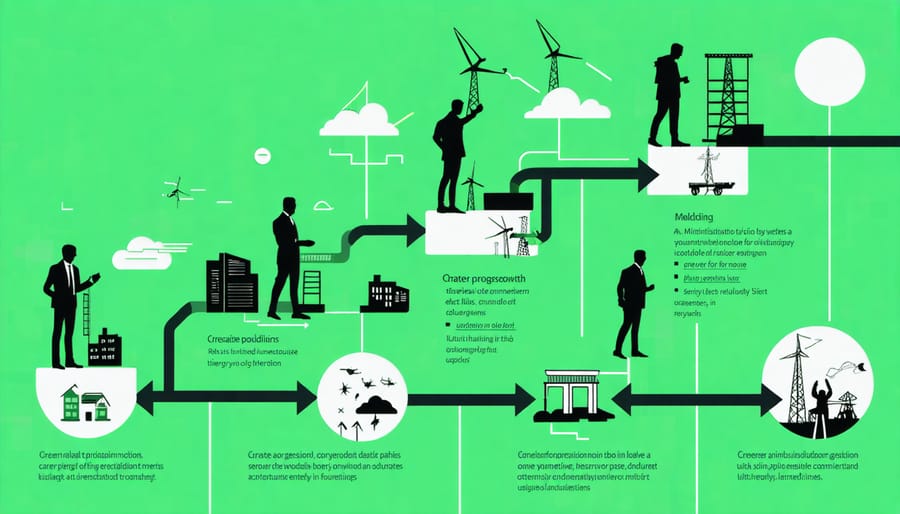
Green energy technicians in Canada enjoy competitive compensation packages that reflect the growing importance of renewable energy sectors. Entry-level technicians typically start at $45,000 to $55,000 annually, while experienced professionals can earn $75,000 to $95,000 or more, depending on their specialization and location.
Salaries tend to be higher in provinces with robust renewable energy sectors, such as Ontario, British Columbia, and Alberta. Urban centers generally offer higher wages compared to rural areas, though remote locations often provide additional compensation through northern living allowances and travel benefits.
Most employers offer comprehensive benefits packages including:
– Health and dental insurance
– Life insurance coverage
– Retirement savings plans or pension contributions
– Paid vacation and sick leave
– Professional development opportunities
– Safety equipment and uniform allowances
– Performance bonuses
Many companies also provide specialized training and certification support, helping technicians advance their careers while staying current with industry developments. Some employers offer additional perks such as flexible work schedules, vehicle allowances, and mobile phone benefits.
Union positions, particularly in larger organizations, often come with enhanced benefits and stronger job security. As the renewable energy sector continues to expand across Canada, compensation packages are expected to become increasingly competitive to attract and retain skilled professionals.
Industry Success Stories
Sarah Chen, a green energy technician at SolarBright Technologies in Vancouver, exemplifies the industry’s potential for career growth. Starting as an entry-level technician in 2018, she now leads a team of solar installers and has contributed to over 500 residential installations across British Columbia.
In Ontario, James Thompson’s journey at WindTech Solutions demonstrates the versatility of the profession. After completing his certification, he specialized in wind turbine maintenance and helped develop an innovative monitoring system that improved turbine efficiency by 15%, earning recognition from the Canadian Renewable Energy Association.
Maritimes-based technician Marie LeBlanc has become a pioneer in combining solar and tidal energy solutions. Her work with Nova Scotia Power has led to the successful implementation of hybrid energy systems in coastal communities, reducing their reliance on fossil fuels by 40%.
Calgary’s Green Energy Solutions reports that their technicians have collectively installed over 10,000 smart home energy management systems since 2019. Lead technician Ahmad Patel attributes their success to continuous training and adaptation to new technologies.
These success stories highlight the growing opportunities in Canada’s renewable energy sector. Industry veterans emphasize that technical expertise combined with problem-solving skills and dedication to sustainability are key factors in building a rewarding career as a green energy technician.
The future of green energy technicians in Canada looks exceptionally promising, with industry experts projecting sustained growth in renewable energy sectors over the next decade. For those interested in pursuing this rewarding career path, the first step is to research accredited training programs at local colleges and technical institutes. Many institutions offer flexible learning options, including part-time and online courses, making it easier to transition into this field. Industry associations and professional networks can provide valuable connections and mentorship opportunities. With the Canadian government’s commitment to clean energy initiatives and increasing private sector investment in renewable technologies, now is an ideal time to enter this dynamic field. Taking advantage of available certifications, apprenticeships, and continuing education opportunities will help ensure long-term success in this growing industry.