

Transform your domestic success into global market dominance through strategic international expansion – a critical move that 73% of successful Canadian businesses credit for their accelerated growth. Modern digital infrastructure and government support programs have created unprecedented opportunities for Canadian companies to scale across borders with reduced risk and investment.
Strategic global expansion delivers three core advantages: diversified revenue streams, enhanced market resilience, and accelerated innovation through exposure to new consumer demands. For Canadian businesses, particularly in technology, manufacturing, and services sectors, international markets represent over $1.5 trillion in untapped potential.
The landscape for global business expansion has evolved dramatically since 2020. Digital transformation has eliminated traditional barriers to entry, while new trade agreements and government initiatives provide Canadian companies with preferential access to key markets. Forward-thinking businesses are leveraging virtual teams, cloud technologies, and local partnerships to establish international presence without substantial physical infrastructure investments.
Success in global markets demands careful preparation, cultural intelligence, and strategic resource allocation. This comprehensive guide examines proven expansion strategies, government support programs, and digital tools that enable Canadian businesses to compete effectively in the international marketplace while minimizing risks and maximizing returns on investment.
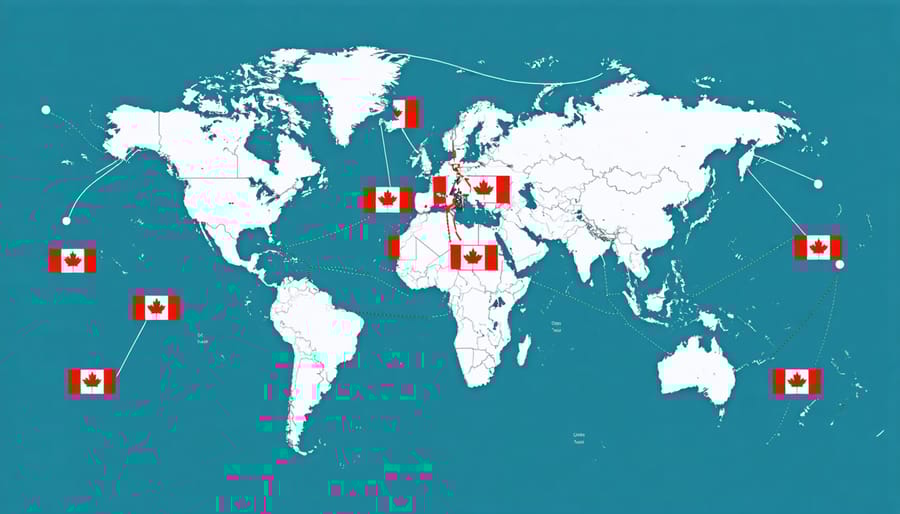
Preparing Your Business for International Markets
Market Research and Feasibility Analysis
Before expanding globally, conducting thorough market research and feasibility analysis is crucial for Canadian businesses. This systematic approach helps identify promising markets and evaluate your company’s readiness for international growth, much like established successful business models have demonstrated.
Start by analyzing potential target markets through demographic data, economic indicators, and cultural factors. Key metrics to consider include market size, growth potential, competitive landscape, and regulatory environment. The Trade Commissioner Service (TCS) offers valuable market intelligence reports specifically designed for Canadian businesses exploring international opportunities.
Consider these essential evaluation criteria:
– Market demand for your products or services
– Local competition and market saturation
– Infrastructure and logistics capabilities
– Political and economic stability
– Cultural compatibility and business practices
– Legal and regulatory requirements
– Currency risks and financial considerations
Assess your company’s expansion readiness by evaluating:
– Financial resources and access to capital
– Operational scalability
– Supply chain capabilities
– Technical infrastructure
– Human resource capacity
– International marketing expertise
Expert tip: Conduct pilot projects or test markets before full-scale expansion to minimize risks and validate assumptions. Many successful Canadian companies have used this approach to refine their international strategy before significant resource commitment.
Legal and Regulatory Compliance
Navigating legal and regulatory compliance is crucial for successful global expansion. Canadian businesses must understand and adapt to various international trade laws, regulations, and compliance requirements specific to each target market. This includes tax regulations, employment laws, data protection requirements, and industry-specific standards.
Working with legal experts who specialize in international business law is highly recommended. These professionals can help identify potential regulatory challenges, ensure proper documentation, and maintain compliance with both Canadian and foreign regulations. The Trade Commissioner Service (TCS) offers valuable guidance on regulatory requirements and can connect businesses with qualified legal representatives in target markets.
Key compliance areas to address include:
– Import/export regulations and customs requirements
– Intellectual property protection
– Local business registration and licensing
– Currency exchange and financial reporting
– Environmental regulations
– Product safety standards
– Labor laws and employment standards
Canadian companies should also consider international trade agreements that may affect their operations. The Comprehensive and Progressive Agreement for Trans-Pacific Partnership (CPTPP) and the Canada-European Union Comprehensive Economic and Trade Agreement (CETA) offer significant advantages for Canadian businesses expanding into member countries.
Establishing a robust compliance monitoring system helps track regulatory changes and ensure ongoing adherence to local laws. Regular audits and updates to business practices demonstrate commitment to legal compliance and build trust with international partners.
Canadian Government Support Programs
Financial Assistance and Grants
Canadian businesses pursuing global expansion have access to numerous government grants and funding options designed to support international growth. Export Development Canada (EDC) offers specialized financing solutions, including working capital support and export guarantee programs that can help businesses manage international market risks.
The Trade Commissioner Service (TCS) provides CanExport funding, offering up to $75,000 to support international market development activities. This program covers expenses such as market research, trade show participation, and business travel costs. Small and medium-sized enterprises can access matching funds of up to 75% of eligible expenses.
Regional development agencies like Western Economic Diversification Canada and the Atlantic Canada Opportunities Agency offer targeted funding programs for businesses in specific provinces. The Business Development Bank of Canada (BDC) provides customized financing solutions, including international expansion loans with flexible repayment terms.
To access these funding opportunities, businesses should:
– Maintain detailed financial records and business plans
– Register with relevant government portals
– Connect with regional trade advisors
– Prepare comprehensive market entry strategies
– Document all international business activities
Success story: Montreal-based tech firm CloudWave secured $50,000 in CanExport funding to enter the Asian market, leading to partnerships with major Singapore-based corporations. Their careful preparation and strategic use of government resources exemplifies effective utilization of available financial assistance programs.
Remember to apply early, as many programs have specific intake periods and limited funding windows. Regular consultation with financial advisors and trade representatives can help identify the most suitable funding options for your expansion goals.
Trade Commissioner Services
The Trade Commissioner Service (TCS) offers invaluable support for Canadian businesses looking to expand globally, providing market intelligence, networking opportunities, and diplomatic backing across more than 160 locations worldwide. This extensive network helps companies navigate international markets with confidence and credibility.
Through the TCS, businesses gain access to detailed market insights, qualified contacts, and introductions to potential partners in target markets. Trade commissioners work closely with companies to understand their specific needs and connect them with relevant opportunities, while helping minimize risks associated with international expansion.
“The TCS was instrumental in helping us establish our presence in Asia,” says Sarah Chen, CEO of TechVantage Solutions, a Canadian software company that successfully expanded into Singapore. “Their local market knowledge and established relationships opened doors we couldn’t have accessed on our own.”
Key services include customized market research, advice on local business practices, and guidance on regulatory requirements. The TCS also offers funding programs such as CanExport, which provides financial assistance for market development activities.
To maximize TCS benefits:
– Register your company with the service early in your expansion planning
– Attend TCS-organized trade missions and business networking events
– Utilize their market reports and sector-specific analyses
– Seek guidance on local business customs and protocols
– Connect with trade commissioners specializing in your industry
The service also provides crucial support during challenging situations, offering diplomatic assistance and helping resolve business disputes through official channels. This combination of practical support and diplomatic backing makes the TCS an essential resource for Canadian companies pursuing international growth opportunities.

Digital Strategy for Global Markets
E-commerce and Digital Marketing
In today’s digital age, establishing a strong online presence is crucial for successful international expansion. Canadian businesses can leverage e-commerce platforms and digital marketing strategies to reach global customers effectively and cost-efficiently.
Start by developing a mobile-responsive, multilingual website that caters to your target markets. Consider local payment preferences, shipping options, and cultural nuances in your e-commerce setup. As noted by the Canadian E-commerce Association, businesses that optimize their platforms for local markets see 40% higher conversion rates.
Digital marketing strategies should be tailored to each target region. Utilize search engine optimization (SEO) with localized keywords, adapt social media content for different cultural contexts, and implement region-specific paid advertising campaigns. Success story: Montreal-based fashion retailer Frank And Oak successfully expanded globally by creating market-specific social media content and implementing targeted digital advertising strategies.
Consider partnering with established online marketplaces in your target regions. These platforms often provide built-in customer bases and handling local logistics. Toronto-based health supplements company Viva Naturals achieved remarkable success by strategically using Amazon’s international marketplaces.
Invest in analytics tools to track international customer behavior and adjust your strategies accordingly. Focus on building trust through authentic customer reviews, secure payment systems, and transparent shipping policies. Remember to comply with local digital privacy laws and e-commerce regulations in each market you enter.
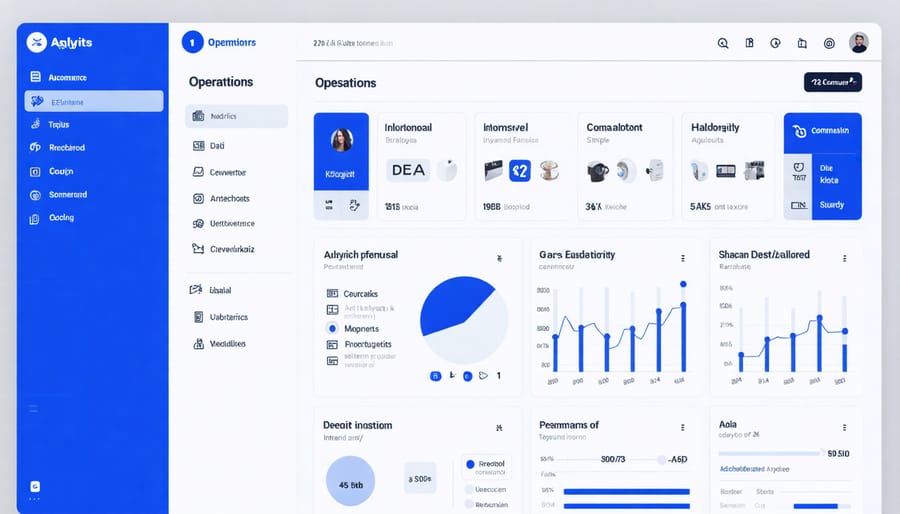
Cross-Border Operations Management
Modern digital tools have revolutionized cross-border operations management, making international expansion more accessible and efficient for Canadian businesses. Cloud-based enterprise resource planning (ERP) systems enable real-time monitoring of global operations, inventory management, and financial tracking across multiple locations.
Leading Canadian companies are increasingly adopting integrated supply chain management platforms to coordinate international logistics, track shipments, and manage customs documentation. These solutions provide transparency and help businesses maintain compliance with various regulatory requirements.
Project management tools with multi-language capabilities facilitate collaboration between teams across different time zones. Digital communication platforms equipped with translation features help bridge language barriers and maintain consistent communication with international partners and customers.
According to Sarah Chen, Director of Digital Transformation at Toronto-based Global Solutions Inc., “The right digital infrastructure can reduce operational complexity by up to 40% and improve decision-making speed by 60%.”
Essential digital tools for cross-border operations include:
– International payment processing systems
– Customer relationship management (CRM) software with multi-currency support
– Document management systems with built-in compliance features
– Analytics platforms for market intelligence
– Automated customs documentation software
Canadian businesses can leverage government-supported digital transformation programs to implement these tools effectively. The Trade Commissioner Service offers guidance on selecting and implementing appropriate digital solutions for international operations.
Remember to regularly update and integrate these digital tools to maintain competitive advantage and operational efficiency in global markets.
Success Stories and Best Practices
Canadian businesses have consistently demonstrated remarkable success in global expansion, with numerous international success stories showcasing effective strategies and innovative approaches.
Shopify stands as a prime example of Canadian entrepreneurial excellence. Starting as a small Ottawa-based startup, the e-commerce platform now powers millions of businesses worldwide. Their success stems from a carefully planned expansion strategy that prioritized digital infrastructure and strategic partnerships in key markets.
Lululemon Athletica’s global journey offers valuable insights into successful market adaptation. The Vancouver-based athletic apparel company effectively translated Canadian wellness values into international appeal, establishing strong market presence in Asia, Europe, and beyond. Their approach focused on understanding local consumer preferences while maintaining brand consistency.
McCain Foods, headquartered in Florenceville, New Brunswick, demonstrates the power of strategic acquisitions and local partnerships. The company successfully expanded into over 160 countries by adapting products to regional tastes while maintaining efficient supply chain operations.
Canada Goose exemplifies effective premium positioning in international markets. The Toronto-based luxury outerwear manufacturer successfully leveraged its “Made in Canada” heritage to build a global luxury brand, particularly resonating in markets like China and Europe.
Key success factors shared by these companies include:
– Thorough market research and cultural understanding
– Strong digital presence and e-commerce capabilities
– Strategic partnerships with local entities
– Consistent brand messaging across markets
– Gradual, well-planned expansion phases
– Investment in local talent and resources
These success stories highlight how Canadian businesses can effectively leverage government support programs, digital technologies, and market insights to achieve sustainable global growth. Their experiences provide valuable blueprints for other Canadian companies planning international expansion.
Global business expansion represents a significant opportunity for Canadian companies to achieve sustainable growth and establish a competitive advantage in the international marketplace. As we’ve explored throughout this article, successful expansion requires careful planning, strategic resource allocation, and a thorough understanding of target markets.
Key success factors include conducting comprehensive market research, developing strong local partnerships, leveraging digital technologies, and utilizing available government support programs. Canadian businesses have demonstrated remarkable resilience and adaptability in their international ventures, particularly in emerging markets across Asia-Pacific and Latin America.
For businesses considering global expansion, the next steps should include:
– Assessing internal readiness and financial capabilities
– Identifying suitable target markets aligned with business objectives
– Developing a detailed market entry strategy
– Consulting with trade experts and legal advisors
– Exploring federal and provincial support programs
– Building a robust digital presence
Remember that global expansion is not a one-size-fits-all approach. Each business must tailor its strategy to its unique circumstances, resources, and goals. By taking a methodical approach and leveraging available support systems, Canadian businesses can minimize risks and maximize their chances of international success.
The journey to global expansion may seem challenging, but with proper preparation and execution, it can lead to significant rewards and long-term business growth. Start by taking small, calculated steps and gradually build your international presence as your experience and confidence grow.