

Real-time analytics architecture is the set of systems and design choices that capture data as it’s created, process it within seconds, and deliver insights while they can still change a decision. Instead of waiting for overnight reports, it works on a continuous flow of information: market prices, transactions, customer activity, sensor readings.
For Canadian business owners and investors, the payoff is speed with confidence. A portfolio manager can see exposure shift as markets move. A retailer can spot a payment problem before it costs sales. A delay of even a few minutes can mean a missed opportunity or an avoidable loss.
This article explains what real-time analytics architecture is, how data moves through it, and which components make it work. You’ll also see how it applies to investment analytics, where timely, reliable information shapes everything from risk monitoring to trade decisions. The concepts are simpler than they sound, and understanding them puts you in a stronger position to ask the right questions of your team or technology partners.
What Real-Time Analytics Architecture Means for Investors

Batch Reporting vs. Real-Time Insight
Batch reporting works like reading yesterday’s newspaper. Data is collected, stored, and processed in scheduled chunks, often overnight, so the report you open each morning reflects what happened hours ago. For monthly reviews or long-term planning, that delay is usually fine.
Real-time insight works more like a live scoreboard. Data is processed as it arrives, so what you see matches what is happening now.
Consider an investor holding shares in a Canadian energy company. Under a batch approach, a sudden price drop after a surprise announcement might not show up until the next morning’s report, by which point the opportunity to act could be gone. With a live setup, an alert arrives within moments, giving the investor time to review the news and decide calmly.
Neither approach is better in every case. Many teams use both, pairing batch summaries with live monitoring as part of broader business analytics.
How Real-Time Analytics Architecture Works, Step by Step
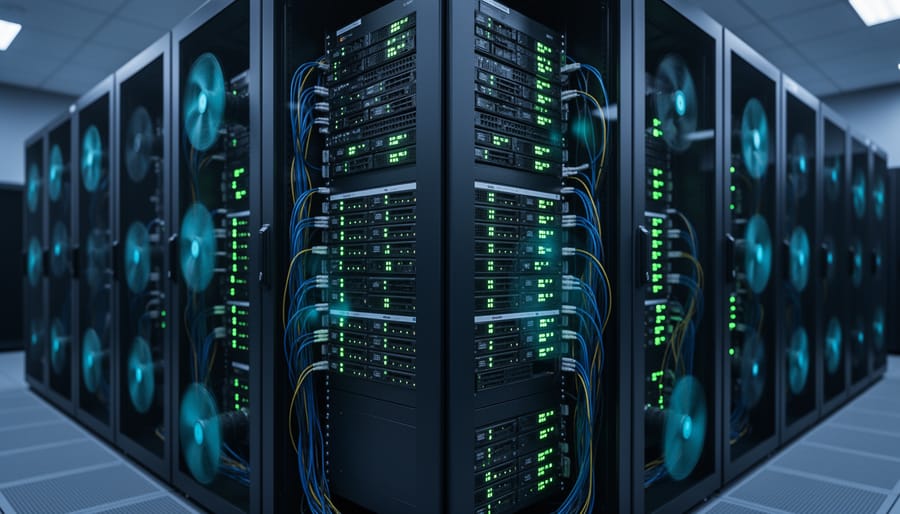
From Data Sources to Decisions
Picture a single trade moving through your systems. It starts as a price tick at an exchange and ends as an alert on your screen, often in a matter of seconds. Each step has a clear job, and the whole path is the heart of any data-to-decisions approach: data-to-decisions.
Here are the main stages, in order:
- Data sources: market feeds, news wires and your portfolio or accounting systems supply the raw information.
- Ingestion: a collection layer pulls each feed in as it arrives, in a consistent format.
- Stream processing: incoming data is cleaned, matched and combined on the fly, such as linking a price move to the holdings it affects.
- Storage: live data is kept for instant access, and history is saved for later review and trend analysis.
- Analysis: rules or models look for patterns, risk thresholds and opportunities.
- Delivery: dashboards, reports and alerts put the results in front of the right person.
This is where real-time data integration earns its keep. Instead of checking separate reports one at a time, you see prices, news and portfolio positions together in a single view.
The final stage matters most, since insight only helps when it reaches someone who can act on it. A well-designed pipeline shows each user what they need, whether that is a risk alert for a portfolio manager or a clear summary for an investor.
Keeping Data Accurate and Secure
Live data is only useful if you can trust it. A single bad price tick or a delayed feed can send a misleading signal to an investor who is acting in seconds. That is why accuracy checks sit inside the pipeline itself, not after it.
Good architectures validate data as it arrives. They compare incoming values against expected ranges, flag duplicates, and catch missing fields before anything reaches a dashboard. If a source goes quiet or sends something odd, the system can pause that feed or raise an alert rather than quietly passing along errors. Reliability matters just as much. Backup paths and automatic recovery keep the data flowing when one component fails.
Security protects both the data and the people behind it. Encrypting information in transit and at rest, limiting who can see what, and keeping a clear audit trail are standard practice. For Canadian organizations, privacy expectations are rising, and the penalties for mishandling personal information are getting steeper. Recent reporting on Canada privacy law penalties shows how seriously regulators now treat data breaches.
Build trust into the design from day one, and your team can act on live insights with confidence.
Core Components and Common Architecture Approaches
The Building Blocks
A real-time analytics setup is built from six parts, each doing one clear job.
Data sources are where information starts: market price feeds, news services, trading platforms and your own portfolio records. The more varied the sources, the fuller the picture.
The ingestion layer acts like a receiving dock. It collects data from every source as it arrives and passes it along without delay, even when volumes spike during busy trading hours.
Stream processing cleans, filters and combines that incoming data on the fly. It might match a price update to the holdings it affects or flag an unusual swing.
Storage keeps both recent and historical data. Recent data supports instant decisions, while history lets you spot patterns and test ideas over time.
The analytics engine applies rules, calculations and models to the processed data. This is where raw numbers turn into insights, such as shifting risk levels or emerging trends.
Finally, visualization and alerting tools put those insights in front of people. Dashboards show the current picture at a glance, and alerts notify you when something needs attention, such as a position moving past a set limit.
When these pieces work together, information moves from source to decision without gaps. Understanding each role makes it easier to ask the right questions when evaluating a solution.
Choosing an Approach That Fits Your Needs
Most organizations land on one of three patterns, and each suits a different situation.
A streaming-first setup treats every piece of data as a live event. It delivers the fastest insight, which suits teams that need instant alerts on market moves, but it takes more skill to run well. A hybrid approach blends live streams with traditional batch reporting. Many investment teams like this middle path because they can watch key signals in real time while handling deeper historical analysis on a schedule. Cloud-based setups rent computing power from a provider, so you skip buying hardware and can scale up as data grows.
Four factors usually guide the choice:
– Scale: how much data arrives, and how quickly it must be acted on.
– Budget: upfront spending versus ongoing subscription costs.
– Existing systems: what you already have that new tools must connect with.
– Team skills: whether your people can manage the setup or need outside support.
Start with your most urgent decision, then pick the simplest pattern that answers it.
How Real-Time Data Integration Is Used in Investment Analytics

Real-World Applications for Canadian Investors and Businesses
Live data changes decisions most clearly in three places: portfolio management, investor relations and market entry planning.
In portfolio management, a real-time setup lets a manager see exposure shift as prices move. If a single holding grows past a set share of the portfolio, an alert fires right away instead of surfacing in next week’s report. Acting on that signal sooner is one reason that disciplined, data-driven investing boosts returns over time.
For investor relations, live dashboards give a growing business a credible way to share progress. Instead of sending a quarterly summary, a company can show current revenue, pipeline and cash position to the investors who need them. That kind of transparency builds trust and shortens the questions that usually follow a report.
Market entry planning benefits too. A Canadian business weighing a move into a new province or export market can track demand signals, pricing and competitor activity as they develop, rather than relying on a snapshot that may already be out of date.
Before you commit to any approach, speak with a qualified investment professional about what fits your goals and risk tolerance. Strong data is a powerful aid, but experienced human judgment still guides the final call.
Getting Started With Confidence
Starting with real-time analytics doesn’t mean rebuilding everything at once. A few practical steps will put you on solid ground.
First, define your goals. Decide which decisions would improve with live data, such as spotting portfolio risk sooner or tracking market shifts as they happen. A clear goal keeps the project focused.
Next, audit your data sources. List where your market, portfolio and customer data lives, how often it updates, and how reliable it is. Gaps and duplicates are far easier to fix before you build.
Then start small. Pick one use case, run a pilot, and measure the results. Early wins build confidence and show where to expand.
Finally, don’t go it alone. Experienced advisors can help you choose the right approach and avoid costly missteps, and federal and provincial programs may support technology adoption or investment planning. Reaching out early is a smart, encouraging way to begin.
Frequently Asked Questions About Real-Time Analytics Architecture
Is real-time analytics only for large firms?
No. Cloud-based tools have made live data far more affordable, so smaller organizations and individual investors can start with a limited setup and expand as their needs grow.
How is it different from a standard dashboard?
A standard dashboard often refreshes on a schedule and shows past data. A real-time architecture updates continuously, so you see price moves, alerts and portfolio changes as they happen.
How secure is live investment data?
Security depends on how the system is built. Look for encrypted data in transit, controlled access and clear alignment with Canadian privacy expectations before you connect sensitive portfolio information.
What skills or tools do I need to begin?
You can start with a clear goal, a short list of data sources and a ready-made analytics platform. Technical skills help, but many teams begin with an expert partner and build knowledge over time.
Better tools are only part of the picture. Even the fastest data still passes through human judgment, and understanding behavioral finance can help you respond to live signals calmly rather than reacting to every swing. Pairing timely information with a steady process is what turns speed into smarter decisions.
Real-time analytics architecture turns a constant stream of market prices, news and portfolio data into clear, timely insight. Capture the data, process it as it arrives, check its quality, and deliver it where decisions happen. Each step supports the next.
For Canadian investors, business owners and professionals, real-time data integration is a real opportunity. It helps you spot risks sooner, act on trends with confidence and report with greater accuracy. You don’t need a large team to begin. Start with a clear goal and build from there.
When you’re ready for next steps, Business and Industry Canada can connect you with investment experts and programs that support your growth.