

Canadian labs expect suppliers of third-party tested peptides for Canadian labs to back every order with clear, complete documentation and responsive, knowledgeable support. That means certificates of analysis, safety data sheets, traceable lot information, and a real person who answers questions quickly. Get these right and you earn repeat orders. Miss them and even a strong product sits on the shelf.
Why does this matter so much? Labs run on reproducibility. A researcher can’t validate a result without knowing exactly what went into it, and a quality manager can’t pass an audit without paperwork that holds up. Suppliers in this space understand this well, because independent testing data is only useful when it’s delivered in a format buyers can file, verify, and trust.
Canadian buyers add their own expectations. Many want bilingual materials, dependable coverage across provinces, and smooth handling of cross-border shipments. None of this is out of reach for a growing supplier. Plenty of Canadian businesses have built loyal lab customers simply by treating support as part of the product.
This article breaks down the documents and service behaviours labs look for, the Canada-specific factors that set your business apart, and a practical plan you can start using right away.
Why Support and Documentation Shape Buying Decisions
For a Canadian lab, a product doesn’t end at the loading dock. The reagent, instrument or consumable is only half of what they buy. The other half is the certificate that arrives with it, the manual that explains it, and the person who picks up the phone when something goes wrong. Labs weigh all of it together, which is why support and documentation often tip the decision between two similar offers.
The reason is simple: the stakes are high. Accredited labs, whether clinical, environmental or industrial, work under quality systems that must stand up to audits. When an assessor asks for traceability records or calibration history, a missing document can become a finding, and a finding takes real staff time to resolve. Strong lab compliance depends on suppliers who deliver complete, accurate paperwork the first time.
Downtime adds another layer. An idle instrument can stall a whole workflow, delay patient or client results and push back project milestones. Research teams face the same pressure with grant deadlines and publication schedules that leave little room for waiting on a slow reply. A supplier who answers quickly and knows the product well protects the lab’s timeline, and the lab remembers it.
For Canadian suppliers, this is a genuine opportunity. The lab community is tightly connected. Lab managers, quality leads and researchers share recommendations through professional networks, conferences and regional associations. A supplier known for reliable support earns loyalty that goes beyond a single purchase, and referrals follow naturally.
Think of support and documentation as part of your value proposition, not a cost of doing business. Suppliers who invest here give labs fewer reasons to look elsewhere, and more reasons to recommend them.
The Documentation Canadian Labs Expect

Compliance and Quality Records
Canadian labs run on records they can defend. When an auditor asks where a result came from, the lab needs paperwork that answers quickly and completely. Suppliers who make that easy become partners, not just vendors.
The core documents fall into a few familiar groups. Each supports a different part of the lab’s quality system.
| Document type | Purpose | What labs look for |
|---|---|---|
| Certificate of analysis | Confirms a lot meets its stated specifications | Lot number match, test methods, results and a clear release date |
| Calibration certificate | Shows an instrument or standard was verified against a reference | Measurement uncertainty, calibration date, due date and reference standards used |
| Traceability record | Links a product or result back to its source materials or standards | An unbroken chain from batch to origin, easy to retrieve |
| Validation protocol and report | Demonstrates a method or system performs as intended | Defined acceptance criteria, documented results and supporting data |
A few habits make these documents far more useful. Match every certificate to the exact lot or serial number shipped. Keep records legible, dated and signed where required. Offer them digitally, so a lab can pull a certificate in minutes during an audit rather than waiting days.
Validation support deserves special attention. Labs often need to qualify new instruments or methods before using them. Suppliers who provide installation and operational qualification templates, or who help interpret results, save their customers real time.
Requirements differ by lab type and by accrediting body. A clinical lab, a research facility and an industrial testing site may each follow different standards. The best practice for labs is to confirm their specific documentation requirements with their own accrediting bodies and regulators. Suppliers can help by asking customers which standards apply, then tailoring what they provide.
Safety and Regulatory Paperwork
For any lab that handles chemicals, reagents or reference materials, the safety data sheet is one of the first documents it asks for. It tells staff how to store a product, what protective equipment to use and what to do if something goes wrong. An outdated sheet creates real risk, and it can also stall a purchase while the lab chases the correct version.
Canadian labs generally expect each SDS to be current, complete and easy to retrieve. A sheet that was revised last year but never replaced on your website, or one that arrives only after three follow-up emails, signals a gap in your quality system. Many labs are also reviewing supplier paperwork ahead of audits, so a ready, accurate SDS saves their team time.
Language matters too. Canada has two official languages, and bilingual English and French materials are often expected where products are used or sold across regions, especially in Quebec and in federally regulated settings. Offering both versions removes a barrier for lab staff and shows respect for the customer.
Labelling follows a similar logic. Labs look for workplace labels and SDS content that align with WHMIS, the national hazard communication system. Requirements are set federally and administered by each province and territory, and they do change. Suppliers should confirm the current federal and provincial rules with the relevant authorities, and review their documents on a regular schedule.
Installation, Operation and Maintenance Manuals
A good manual is one a lab technician can pick up mid-task and follow without calling anyone. That standard shapes what Canadian labs expect from installation, operation and maintenance documentation.
Plain language comes first. Instructions written in short, direct sentences, with technical terms defined where they first appear, help new staff and experienced users alike. Step-by-step formatting matters just as much. Numbered procedures, clear diagrams and stated prerequisites, such as required utilities, bench space or environmental conditions, reduce setup errors and speed up commissioning.
Troubleshooting sections earn their keep when instruments act up. Labs value symptom-based guidance: what the user sees, the likely causes and the order in which to check them. Maintenance schedules, consumable lists and cleaning protocols belong in the same place, so routine care is easy to document for quality systems.
Version control is easy to overlook, but labs depend on it. Each manual should show a revision number and date, along with a short summary of what changed. That lets a quality manager confirm staff are working from current procedures.
Finally, access counts. Searchable PDFs or an online portal, available whenever a lab needs them, save time. Offering both English and French versions, where relevant, makes the documentation useful to teams across the country.
Customer Support Standards That Earn Lab Loyalty
Fast, Knowledgeable Technical Response
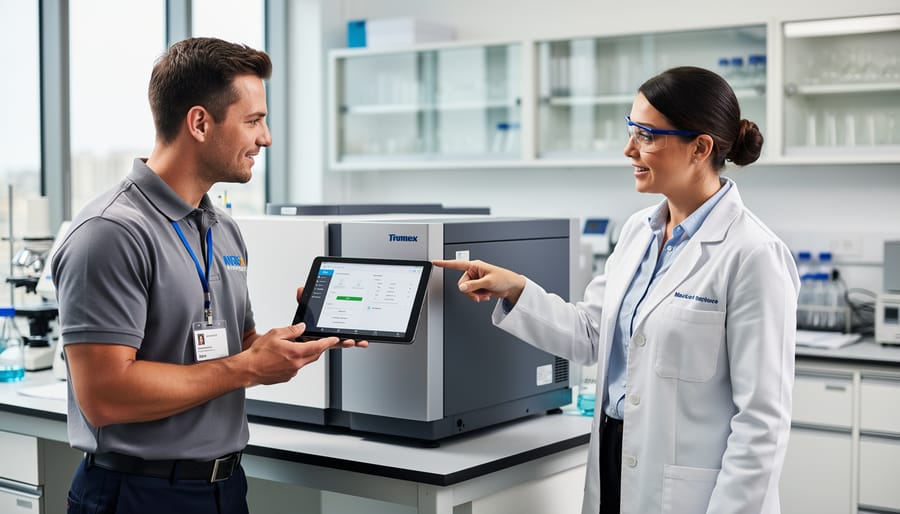
When an instrument goes down, the clock starts immediately. Canadian labs running time-sensitive assays, accredited testing or tight research schedules can’t afford to wait on a vague “we’ll get back to you.” That’s why a fast, knowledgeable response ranks among the most valued supplier behaviours.
Speed alone isn’t enough, though. A quick reply from a general service agent who has to relay every question to an engineer often costs more time than it saves. Labs prefer direct access to technically trained staff who can diagnose the problem, ask the right follow-up questions and suggest a fix on the first call or email.
Clarity matters just as much as capability. Labs generally look for a few commitments in writing:
- Defined response windows for each severity level, so everyone knows what “urgent” means.
- Named contacts or a dedicated support team, rather than a faceless general inbox.
- Documented escalation steps that show who takes over if the first-line response can’t resolve the issue.
- Multiple contact channels, such as phone, email and an online portal, so help is reachable however the lab works.
Suppliers who publish these standards upfront and then meet them consistently give lab managers something valuable: confidence. When the escalation path is already mapped out, a breakdown becomes a manageable event instead of a crisis, and that reliability is what earns repeat business.
Local Presence and Bilingual Service
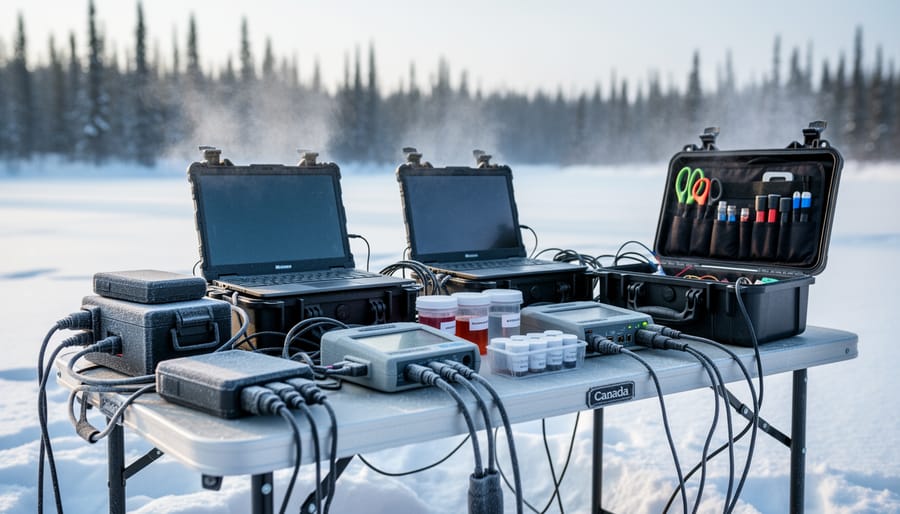
Canadian labs prefer suppliers who can show up when it counts. When an instrument goes down mid-study or a clinical workflow stalls, waiting on a response from another continent is rarely an option. In-country support means faster turnaround, shorter parts shipping, and a team that understands Canadian business hours and regulations.
Geography makes this harder. Canada’s size means a supplier based in Ontario or Quebec may serve labs in Yellowknife, Nunavut or coastal Newfoundland. Clear regional coverage maps, local service partners and stocked spare-parts depots help close that gap. Offering reliable on-site service in key regions signals real commitment to Canadian customers.
Language matters too. Support and documentation in both English and French reflect Canada’s official languages and make life easier for bilingual teams, especially in Quebec and New Brunswick.
For remote or northern facilities, a few practical steps go a long way:
– Offer remote diagnostics and video-guided troubleshooting to resolve issues without a site visit.
– Ship preventive-maintenance kits and common spare parts ahead of time.
– Schedule service visits around seasonal travel windows and bundle stops to control costs.
– Train a designated on-site lab contact to handle first-level fixes.
Small investments like these build lasting loyalty across the country.
Training, Onboarding and Ongoing Education
A good product only delivers value when the people using it know how to get the best from it. That’s why Canadian labs look for suppliers who treat training as part of the sale, not an optional extra.
Onboarding comes first. A structured session at installation, whether on-site or by video, helps technicians and researchers get comfortable with setup, routine operation and safe handling. Labs appreciate when this covers their own workflows rather than a generic demonstration. Sessions that can be recorded or repeated for new staff are especially useful, since lab teams change as projects and personnel move on.
Application support is the next layer. Many labs run methods that are unique to their work, and they value suppliers who can help adapt a product to a specific protocol. Access to application specialists who understand the science, not just the specifications, builds real confidence and shortens the path to reliable results.
Ongoing education keeps that value growing. Webinars, short how-to videos and refresher courses help teams learn new features and revisit best practices. They also reduce user error, which protects data quality and prevents avoidable downtime.
For suppliers, a simple, well-organized training calendar is a strong way to show commitment. It signals that you intend to stay a partner long after the purchase is complete.
Supply Chain Transparency and Communication
Canadian labs plan their work around deliveries, so they expect suppliers to treat the supply chain as part of the service. Reagents, consumables and replacement parts often arrive on a tight schedule, and a late shipment can stall an experiment or an accredited testing run. Labs want realistic lead times quoted up front, plus honest updates if something changes.
That is where supply chain transparency earns trust. Labs value order confirmations that state expected dates, real-time shipment tracking and clear notice of backorders, along with a suggested alternative or interim solution. Temperature-sensitive and time-critical items deserve extra attention, including packaging details and receiving instructions the lab can pass to its dock staff.
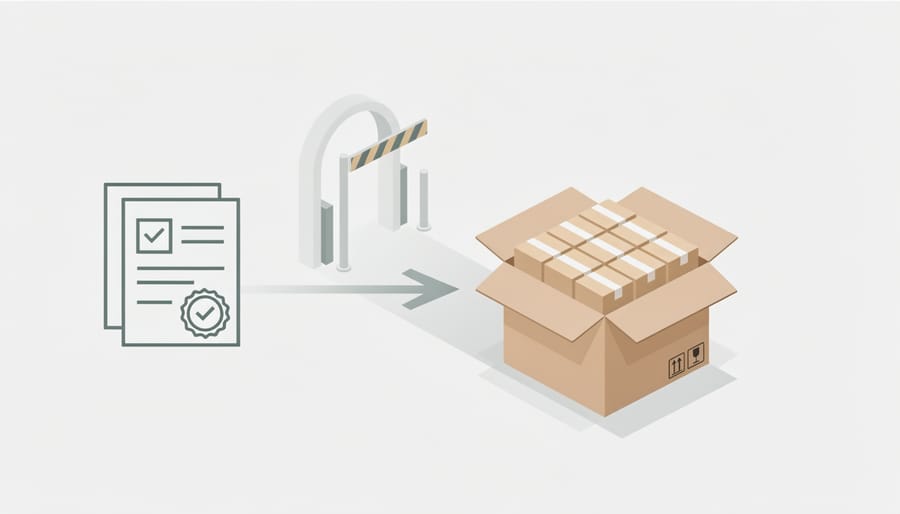
Cross-border logistics adds another layer, since many lab products are imported or ship through the United States. Accurate commercial invoices, correct product descriptions, tariff classifications and country-of-origin details help shipments clear customs smoothly. Safety data sheets and any required permits should travel with the goods or be easy to retrieve, so a hold-up does not become a multi-day wait. Suppliers should confirm current import requirements with their customs broker or the relevant authorities, as rules change.
Proactive communication ties it all together. A short, timely message with a new delivery date does more for a supplier’s reputation than a perfect record that goes quiet at the first problem.
Canadian Success Stories: Suppliers Who Got It Right
Canadian suppliers that earn lasting lab loyalty tend to share a few habits, and you can see them in how they describe their own service models. Many Canada-serving distributors and manufacturers publish their calibration certificates, safety data sheets and manuals in one place, and they put named technical contacts on their support pages instead of a generic inbox. These are publicly visible practices, and they are worth copying.
Consider what a quality professional notices first. Documentation that arrives complete, correctly versioned and ready for an audit file saves hours of chasing. When suppliers offer digital document access, lab teams can pull a current certificate or manual at the moment an assessor asks for it, rather than waiting on an email reply. A digital document access approach also keeps older revisions from circulating on the bench.
Expert voices in the lab community say the same thing in different words. Lab managers consistently point to responsiveness and clear records as the deciding factors when they renew supplier relationships. We have not attributed a specific quote here, because verified, named statements should come directly from the person or their organization. If you want to feature a lab manager or an industry association representative, ask for a short, approved comment and cite it by name.
The same caution applies to case studies. Use only accounts you can source publicly or confirm directly, and anonymize them when permission is limited. For smaller suppliers, the starting point is simple: build a searchable document library that labs can use without calling anyone. It is a low-cost step that signals reliability right away.
How Suppliers Can Build a Support and Documentation Strategy
Building a strong support and documentation strategy doesn’t require a large budget. It requires a clear plan and steady follow-through. For small and growing Canadian suppliers, a focused approach can level the playing field against bigger competitors, because labs often remember who answered the phone and who made their paperwork easy.
Here is a practical sequence to follow:
- Audit your current documentation. List every document a lab might need, from safety data sheets to maintenance manuals, and flag anything outdated, missing, or available in only one official language.
- Gather feedback from your lab customers. Ask a handful of clients what slowed them down, what they couldn’t find, and what they wish arrived with the shipment.
- Set measurable service targets. Define realistic goals, such as first-response times and escalation steps for instrument downtime, and write them down so your whole team can see them.
- Invest in staff training. Make sure the people answering questions understand the products and the compliance pressures labs face, so customers reach real expertise quickly.
- Centralize a searchable digital document library. Give customers one easy place to find current manuals, certificates, and safety paperwork without having to request them.
- Review and update regularly. Set a recurring schedule to retire old versions, refresh content, and act on new customer input.
Start small if you need to. Fixing your most-requested documents first often delivers the quickest wins, and each improvement builds momentum for the next.
The payoff goes beyond keeping existing customers happy. Labs talk to one another, and a reputation for dependable support travels through research networks, clinical teams, and industrial testing communities alike. That kind of trust can open doors to new lab customers, distributor relationships, and partnerships that would be hard to win through pricing alone.
This is where support becomes a genuine business growth lever. When you treat documentation and service as part of the product, you give buyers a reason to choose you again and to recommend you. For Canadian entrepreneurs looking to expand in the lab market, that steady, reliable reputation is one of the most valuable assets you can build.
Common Questions From Labs and Suppliers
How early should documentation be available?
Labs generally want core documents, such as safety data sheets, specifications and manuals, before they place an order. Quality records like certificates of analysis or calibration certificates should arrive with the shipment or be easy to retrieve afterward. Having a ready-to-send documentation package shortens the buying cycle.
What response times do labs expect?
There’s no single standard. Labs value clear, written commitments more than fast promises that slip. State your target response time for routine questions and for urgent issues like instrument downtime, then meet it consistently.
Do we really need French-language materials?
It depends on your customers. Labs in Quebec and federally regulated or bilingual workplaces often need French documentation. Check current federal and provincial requirements for your product category, and consider bilingual safety and labelling materials as a baseline.
How do labs evaluate a new supplier?
Most look at product fit, documentation quality, support responsiveness, delivery reliability and references from peers. Many ask for sample paperwork or speak with technical staff early, which is a quick test of how the supplier will perform after the sale.
Can a small supplier compete on support?
Absolutely. Smaller Canadian suppliers often win by offering direct access to knowledgeable staff, personal follow-up and flexible onboarding. Clear, well-organized documentation levels the field.
What should we confirm with each customer?
Ask about their accreditation or regulatory requirements, preferred document formats and service-hour needs. Labs know their own obligations best, and confirming details upfront prevents delays later.
Canadian labs buy more than a product. They buy confidence that the product will perform, that the paperwork will hold up in an audit, and that someone knowledgeable will pick up the phone when a problem hits. Suppliers who deliver clear, accurate documentation and responsive, bilingual-ready support earn the kind of loyalty that lasts and spreads through referrals.
The good news is that you don’t need to overhaul everything at once. Take an honest look at your current offering. Are your certificates and manuals easy to find? Do your response times match what you promise? Pick one gap and close it this quarter.
For suppliers ready to grow in the Canadian lab market, Business and Industry Canada offers market insights and industry connections that can help you find new customers and partners. Every improvement you make builds your reputation, and a strong reputation is one of the most valuable assets a Canadian business can have.