

Software-first hiring and workforce transformation is a strategic approach that prioritizes digital capability, data fluency, and automation mindset when recruiting and developing talent, fundamentally reshaping how organizations build teams for a technology-driven economy. Rather than treating tech skills as add-ons, this model places software competency at the core of job requirements across departments, from finance and HR to operations and customer service.
Canadian businesses are adopting this shift to stay competitive as automation, artificial intelligence, and cloud platforms redefine nearly every role. Traditional hiring criteria like years of experience or industry background now share equal footing with adaptability to new tools, comfort with software workflows, and ability to interpret data.
The approach matters because the gap between workforce capabilities and business needs continues to widen. Companies that fail to recruit and train for digital fluency risk falling behind competitors who can move faster, serve customers better, and operate more efficiently. For HR leaders and business owners, understanding how software-first hiring works means rethinking job descriptions, interview processes, onboarding programs, and even benefits packages that attract tech-forward talent.
This article breaks down what software-first hiring truly means in practice, how it integrates with workforce transformation initiatives, and where it intersects with modern employee benefits strategies. You’ll find concrete examples from Canadian organizations, expert perspectives on implementation, and practical steps to apply this model in your own business.
What Software-First Hiring Means for Canadian Businesses
Software-first hiring represents a fundamental shift in how Canadian businesses evaluate talent. Rather than relying solely on years of experience, formal degrees, or industry credentials, this approach prioritizes a candidate’s comfort with digital tools, capacity to learn new platforms quickly, and readiness to work in environments where software drives decision-making and productivity. It’s a recruiting philosophy that recognizes technology as the backbone of modern work, regardless of department or function.
This isn’t about filling your company with developers and data scientists. Software-first hiring means building teams across every role, from customer service representatives to operations managers to HR coordinators, who can leverage technology to solve problems, automate repetitive tasks, and make data-informed decisions. A marketing coordinator who masters CRM platforms, A/B testing tools, and analytics dashboards. An accountant who streamlines reconciliation through cloud-based software and embraces automation. An office manager who implements Group benefits administration platforms that save hours each week.
- Software-First Hiring
- A talent acquisition strategy that evaluates candidates based on their digital adaptability, willingness to learn new technologies, and ability to work effectively in tech-enabled environments, not just traditional credentials.
- Digital Fluency
- The capacity to learn, use, and optimize digital tools across various platforms; it goes beyond basic computer literacy to include problem-solving through technology and comfort with change.
- Workforce Transformation
- The systemic shift in how organizations structure roles, develop skills, and operate when software becomes central to every function and level of the business.
- Tech-Enabled Roles
- Positions where software, automation, or digital platforms enhance productivity and outcomes, even when the role itself isn’t technical in nature.
The Canadian government has formalized this shift through its digital talent hiring expectations recognizing that digital transformation demands teams who can adapt as technology evolves. Private sector employers are following suit, understanding that competitive advantage in 2026 requires workforce transformation where digital fluency becomes as fundamental as communication skills or critical thinking.
How Software-First Hiring Works in Practice
Screening for Digital Adaptability
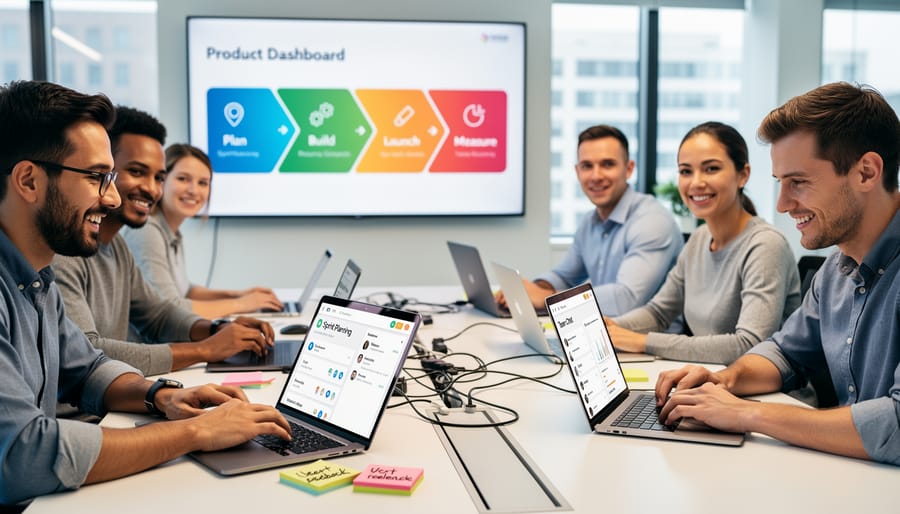
Canadian businesses are moving beyond checkbox assessments of software skills to evaluate how candidates actually learn and adapt to new technology. Forward-thinking hiring managers now probe for evidence of self-directed learning: asking candidates to describe a time they taught themselves a new platform without formal training, or how they approach unfamiliar software when existing tools don’t solve a problem.
Practical assessment techniques include scenario-based questions where candidates explain how they’d troubleshoot a software issue, or take-home challenges that require learning a simple tool and demonstrating proficiency within 48 hours. Some companies use structured behavioral interviews focusing on change management experiences, how a candidate responded when their employer rolled out new systems, whether they sought additional training, or helped colleagues adopt the technology.
Toronto fintech firms increasingly incorporate live demonstrations: giving candidates access to a sandbox environment and asking them to complete a realistic task using unfamiliar software while thinking aloud. This reveals problem-solving approach, comfort with ambiguity, and willingness to experiment rather than waiting for instruction. The goal isn’t perfection, it’s observing learning orientation and resourcefulness under pressure, qualities that predict long-term success in digitally evolving workplaces.
Integrating Technology into the Candidate Experience
The hiring process serves as your company’s first opportunity to demonstrate software-first values in action. When candidates apply through a clunky, outdated system or wait days for manual scheduling confirmations, you’re signaling resistance to digital transformation, regardless of what your job posting claims.
Modern applicant tracking systems automate application workflows, provide real-time status updates, and eliminate administrative friction that frustrates both candidates and hiring teams. Video interview platforms enable faster screening while accommodating remote talent across Canada’s time zones. Automated scheduling tools that integrate with calendar systems replace email tennis, respecting candidates’ time and showcasing operational efficiency.
Digital onboarding portals extend this consistency beyond the offer letter. When new hires complete paperwork, access training materials, and configure benefits through intuitive platforms before day one, they understand immediately that your organization values streamlined processes and user experience.
This technological consistency matters because candidates evaluate more than job responsibilities, they’re assessing whether your company’s digital maturity matches your talent narrative. A seamless, tech-enabled hiring journey attracts digitally fluent professionals while filtering out those uncomfortable with software-driven work environments. Your recruitment process becomes both marketing and early-stage screening rolled into one strategic advantage.
Core Components of a Software-First Workforce Strategy
Recruiting Beyond Traditional Credentials
Canadian companies embracing software-first hiring are rewriting their recruiting playbooks. Traditional filters, specific degrees, linear career progressions, conventional industry experience, give way to skills-based assessments that reveal how candidates actually think and solve problems with technology.
This means bootcamp graduates who completed intensive 12-week programs often compete on equal footing with four-year computer science degrees. Self-taught developers who built GitHub portfolios through evening projects demonstrate commitment and capability that transcends formal credentials. Mid-career switchers from unrelated fields bring domain expertise paired with fresh digital perspectives that homogeneous technical teams lack.
Forward-thinking recruiters now prioritize portfolios over résumés, work samples over job titles, and learning velocity over static qualifications. They seek candidates who taught themselves new frameworks, contributed to open-source projects, or automated manual processes in previous non-technical roles, signals of the digital fluency and initiative that define software-first mindsets.
This approach unlocks diverse talent pools: career changers, international professionals, women returning to work, and digital natives from non-traditional backgrounds who might otherwise be filtered out by credential gatekeeping.
Continuous Learning and Upskilling
Software-first companies recognize that hiring for digital fluency is just the starting point. Technology changes too quickly for initial skills to remain relevant without continuous investment. Leading Canadian organizations build structured learning ecosystems that make upskilling part of the job, not an afterthought.
This typically includes access to online learning platforms like Coursera, Udemy, or LinkedIn Learning where employees can pursue certifications in emerging technologies. Many companies allocate dedicated learning hours during the workweek, some mandate four to six hours monthly for professional development. Internal mobility programs let employees shift into new roles as they acquire skills, reducing reliance on external hiring.
Progressive employers also sponsor team certifications, fund conference attendance, and create internal knowledge-sharing sessions where staff teach each other new tools. The message is clear: your role will evolve, and we’ll invest in helping you evolve with it. This approach reduces turnover, keeps capabilities current, and signals that workforce transformation is ongoing, not a one-time initiative.
Technology Infrastructure and Enablement
A software-first workforce runs on infrastructure that enables collaboration, automates routine tasks, and provides real-time data access. Canadian companies building these ecosystems invest in cloud-based project management platforms, integrated communication tools, and workflow automation software that connect teams regardless of location. The technology stack extends beyond productivity apps to include employee self-service portals, digital learning platforms, and analytics dashboards that surface performance insights.
This infrastructure directly connects to group benefits administration. Software-first benefits platforms allow employees to enroll in coverage, submit claims, access wellness resources, and manage retirement accounts through unified digital experiences. For employers, these systems automate compliance tracking, integrate payroll deductions, and provide usage analytics that inform benefits strategy. When your workforce expects seamless digital tools for core work, they naturally demand the same sophistication from HR and benefits administration.
The enablement layer matters as much as the tools themselves. Successful companies provide training documentation, internal support channels, and champions who help teams maximize platform value rather than simply deploying software and expecting adoption.
Where Software-First Hiring Delivers the Most Impact

Software-first hiring delivers measurable returns across business functions that traditionally operated without heavy technical demands. Canadian companies report the strongest impact in areas where digital fluency directly accelerates decision-making, customer responsiveness, and operational efficiency.
Customer service teams equipped with software-first talent handle 40% higher ticket volumes through mastery of CRM platforms, automated routing tools, and data analytics dashboards. Toronto-based fintech Wealthsimple credits its support team’s technical aptitude for maintaining 15-minute response times while scaling from 100,000 to over two million clients. Representatives who understand API integrations and platform dependencies resolve complex issues without engineering escalation.
Finance and operations functions transform when staff can build custom automations, query databases directly, and manipulate large datasets. A Vancouver manufacturing company reduced month-end close from nine days to three after hiring accounts payable specialists comfortable with RPA tools and Excel scripting. Operations managers who code simple Python workflows eliminate manual data entry that previously consumed 20 hours weekly.
Marketing teams with software-first capabilities launch campaigns faster, test more variations, and measure attribution with precision. Montreal e-commerce brand Frank And Oak hires marketers who configure marketing automation platforms, analyze SQL query results, and adjust pixel tracking without developer assistance. This technical self-sufficiency cuts campaign deployment time by 60%.
HR departments leveraging software-first hiring automate applicant screening, benefits administration, and performance review cycles. Calgary energy company Suncor rebuilt its talent acquisition team with recruiters who customize ATS workflows, build candidate sourcing scripts, and generate hiring analytics through Tableau dashboards. Time-to-hire dropped 35% while candidate quality scores improved.
The pattern holds across industries: employees who combine domain expertise with software fluency make faster decisions, uncover hidden insights, and adapt quickly when business conditions shift. They don’t wait for IT support to solve problems they can address themselves.
The Connection to Software-First Group Benefits
When you hire employees who expect to work in digital-first environments, benefits delivery needs to match that expectation. A workforce built on software fluency won’t tolerate outdated paper forms, manual claims submissions, or opaque benefits structures they can’t access on demand.
Canadian companies implementing software-first hiring strategies are simultaneously modernizing their group benefits platforms. Employees accustomed to intuitive consumer apps, banking, shopping, travel booking, apply the same standards to workplace benefits. They want real-time visibility into health coverage, one-click claims processing, mobile access to wellness resources, and personalized retirement planning tools that update automatically.
This alignment creates a competitive advantage. When Toronto tech firms recruit developers and data analysts from global talent pools, comprehensive benefits delivered through sleek digital platforms become a differentiator. The same holds for marketing teams, finance departments, and customer service operations filled with digitally fluent professionals who value efficiency.
AI in HR extends this connection further: platforms that recommend coverage options based on life events, predict benefits utilization patterns, and automate enrollment workflows align perfectly with a software-first culture. Employees who troubleshoot technology daily won’t accept benefits administration stuck in the past.
The message to top performers is clear: we invest in modern tools for how we work and how we support your wellbeing. That consistency matters when competing for talent who can choose where to apply their skills.
Common Questions About Software-First Hiring and Workforce Transformation
Is software-first hiring only for tech companies?
No. While technology companies pioneered this approach, software-first hiring now benefits businesses across retail, manufacturing, healthcare, financial services, and professional services. Any organization using digital tools to serve customers, manage operations, or deliver products can gain competitive advantage by hiring people comfortable working in software-enabled environments.
How do you assess digital fluency in non-technical roles?
Look for evidence of learning agility: has the candidate taught themselves new platforms, adapted to workflow changes, or solved problems using digital tools? During interviews, ask candidates to describe situations where they adopted unfamiliar software, automated a manual process, or used data to inform decisions. Skills assessments using real workplace tools provide concrete evidence of comfort with technology.
What about employees who resist technology?
Resistance often stems from lack of training, fear of obsolescence, or poor change management. Address this through transparent communication about why digital tools matter, hands-on training with clear support, and recognition for employees who embrace new systems. Pairing technology adoption with investments in employee well-being signals that transformation serves people, not the reverse.
What are the risks of over-indexing on software skills?
Prioritizing technical ability without considering judgment, communication, creativity, and domain expertise can lead to teams that understand tools but not the business problems they’re solving. Balance digital fluency with experience, critical thinking, and interpersonal skills to build well-rounded teams capable of both strategic thinking and effective execution.
The key is recognizing that software-first hiring complements rather than replaces traditional hiring criteria. You’re adding a new competency layer, not abandoning what makes candidates effective in their roles.
Software-first hiring isn’t about choosing machines over people. It’s about building teams who can harness technology to work smarter, solve problems faster, and deliver better results for customers and colleagues alike. When you prioritize digital fluency across your organization, you’re not eroding human judgment, you’re amplifying it with tools that remove friction and unlock creativity.
Canadian businesses that embrace this workforce transformation gain a decisive edge. They attract top talent who expect modern, efficient work environments. They adapt faster to market shifts because their teams already think in systems and data. They innovate more consistently because everyone, not just IT, understands how to leverage software for competitive advantage.
Take a hard look at your current hiring criteria. Are you screening for adaptability and learning agility, or just checking boxes on traditional qualifications? Can your employees confidently navigate new platforms, or do they resist change? Making digital competency a core requirement across all roles, from finance to customer service to leadership, sets the foundation for sustainable growth.
Workforce transformation is no longer optional. The companies that thrive in 2026 and beyond will be those who recognize that every hire is a technology hire, every team member a potential innovator, and every role an opportunity to do more with less friction.